Development Life Skills
Everyday skill-building support for routines, planning, cooking, budgeting, communication, and decision-making. We break goals into practical steps that can be practised in real settings, helping participants build confidence without turning support into a classroom exercise.

NDIS 0117 / Development-Life Skills
Support that fits your routines
Development Life Skills support focuses on practical, repeatable skills that help participants take part in daily life with greater confidence and choice.
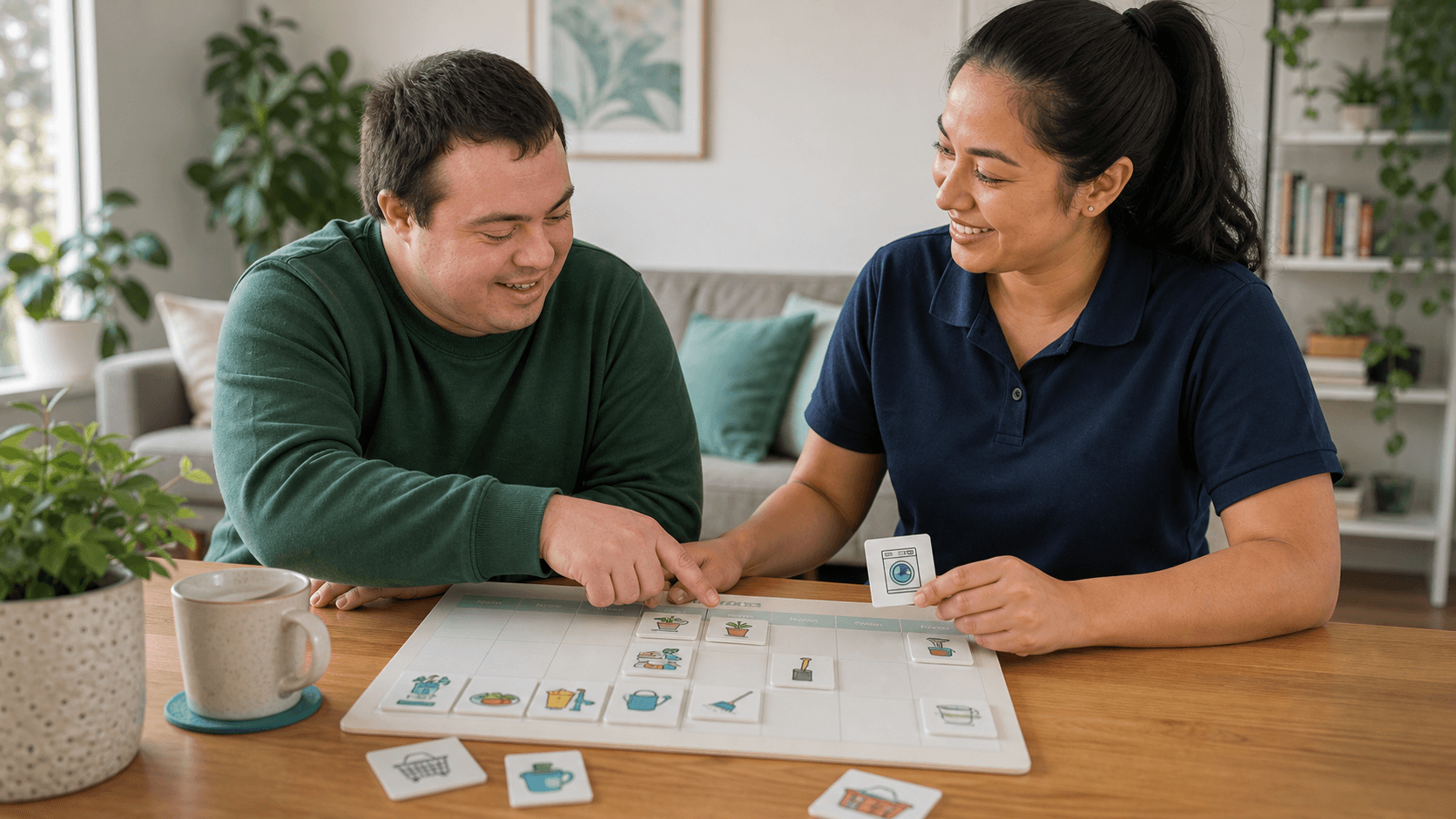
Development Life Skills in everyday life
Support works best when it feels practical, respectful, and connected to the routines that matter to you.
We use your goals, preferences, and approved supports to shape a service rhythm that is clear, reliable, and easy to review.
What support can include
- Daily routine skill building
- Planning and decision-making support
- Communication and confidence building
- Practical steps toward greater independence
Who this may help
- Participants working toward independence goals
- People who want to build daily living confidence
- Families looking for practical, measurable support
A day with this support
These examples show how support can appear in real routines without making every day feel the same.
Everyday decisions
Support to plan, choose, and practise daily tasks.
Community confidence
Build skills that make getting out feel easier.
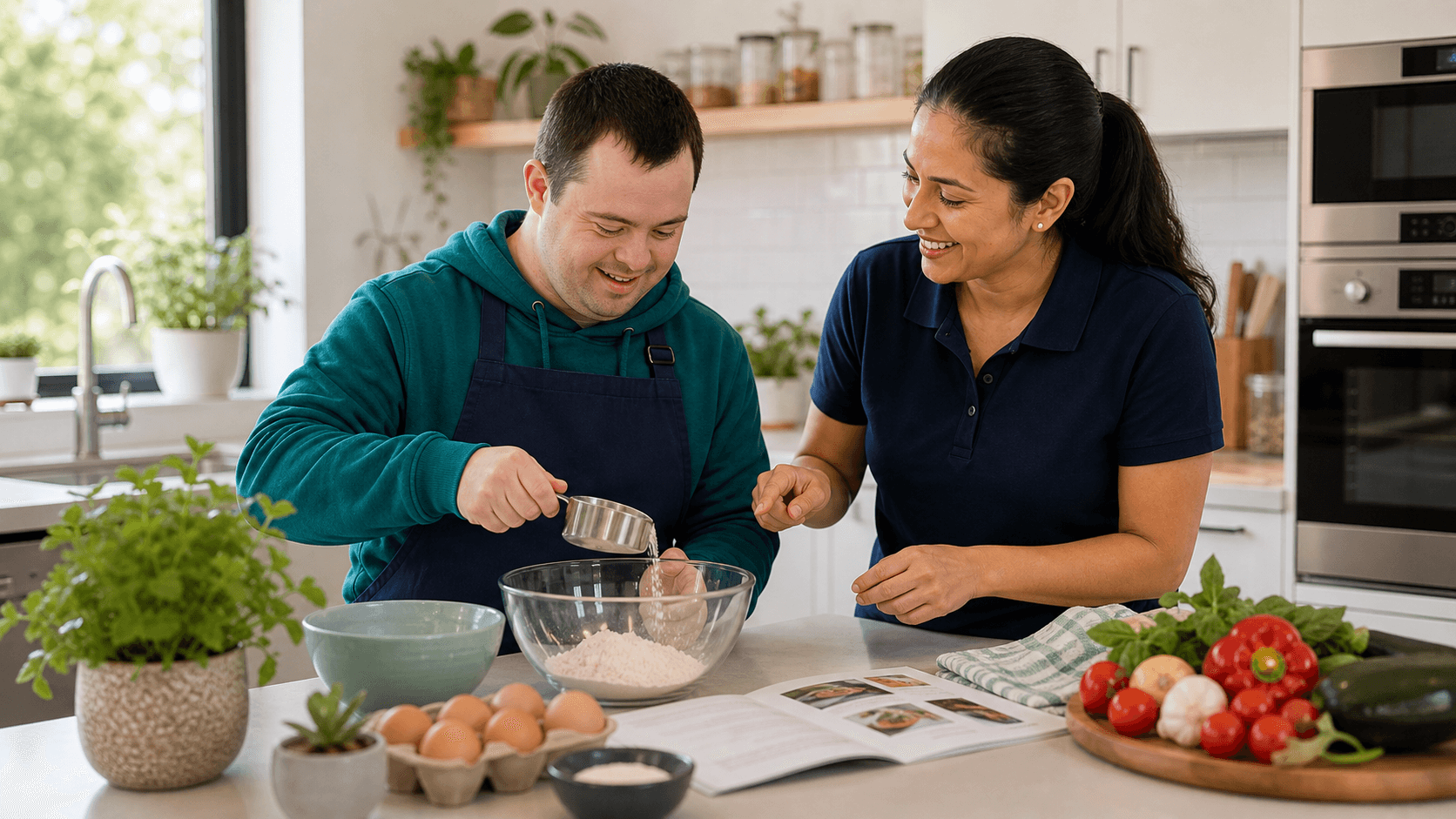
Independent routines
Repeatable steps for home, transport, and daily life.
How KIT Care approaches this
- We break skills into practical steps that can be repeated.
- Support is connected to everyday goals, not abstract exercises.
- We review progress with the participant and adjust the pace where needed.
How to get started
Step 1
Talk with us
We start with a clear conversation about goals, daily routines, preferences, communication needs, service area, and the type of support being considered. Family members, advocates, or support coordinators can be included when the participant wants them involved.
Step 2
Plan support
Support is shaped around the relevant NDIS service group, practical routines, safety considerations, worker matching, timing, and what the participant wants to achieve. The plan should be easy to understand before services begin.
Step 3
Review together
Once support starts, communication stays open. Routines, goals, worker fit, and practical arrangements can be reviewed as circumstances change so support remains useful, respectful, and aligned with participant choice.
Related services
Many participants use more than one support type. These services often connect with this page.

0107
Personal Care
Respectful assistance with everyday routines such as personal presentation, meals, prompts, mobility, and comfort at home. Support is shaped around privacy, preferences, communication needs, and the participant's own pace so daily life can feel steadier and more manageable.
Learn more ->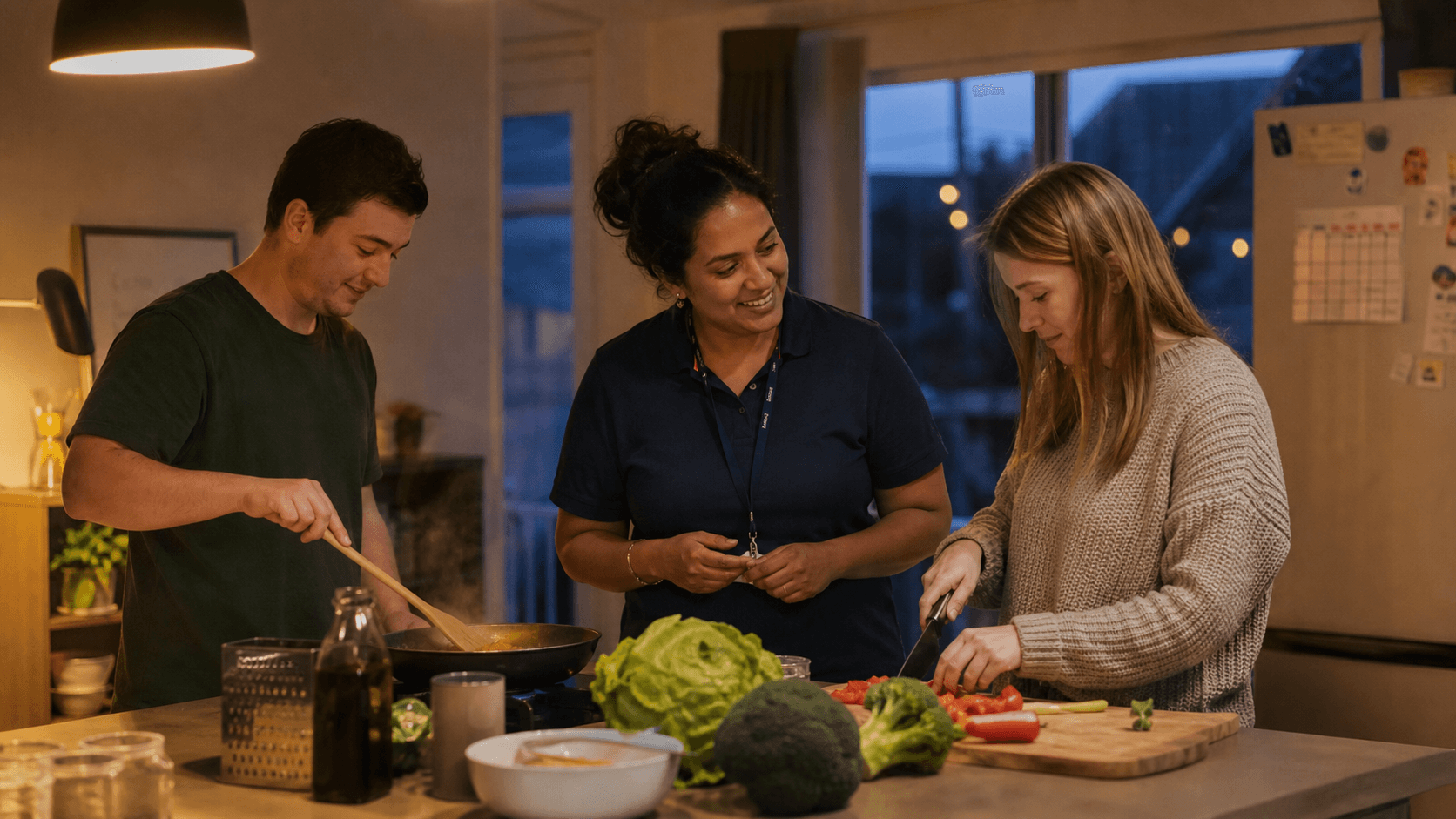
0138
Supported Independent Living
Regular support for participants who need assistance to live more independently at home. Services can include daily routines, shared household responsibilities, skill building, and practical planning while keeping dignity, safety, and participant choice at the centre.
Learn more ->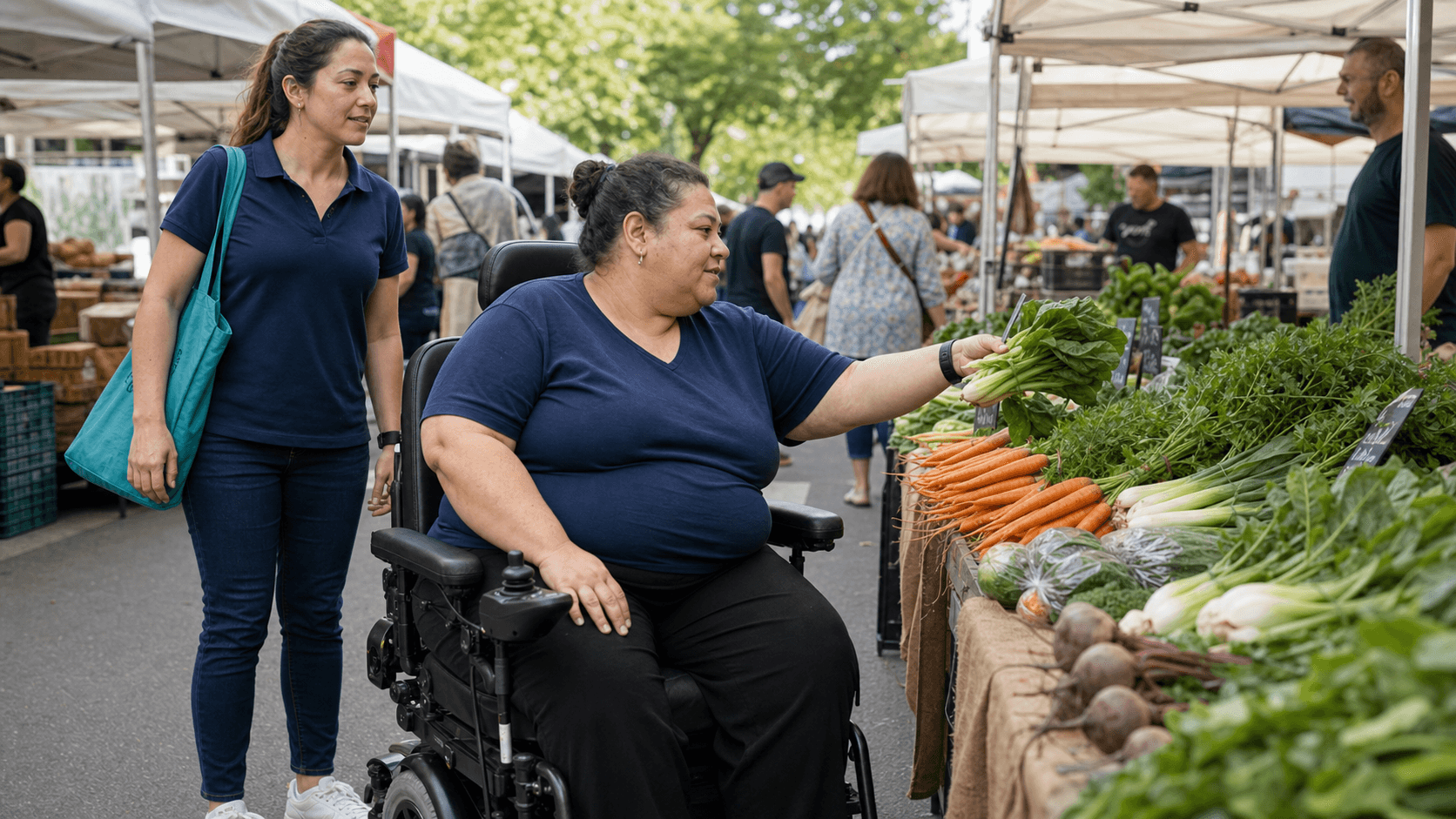
0125
Community Participation
Support to attend activities, pursue interests, meet people, and stay connected with places that matter. Community participation can include planning, confidence building, travel routines, social support, and practical help to make local activities feel more achievable.
Learn more ->Talk with us about development life skills
We can talk through your goals, routines, and support needs so the next step feels clear.